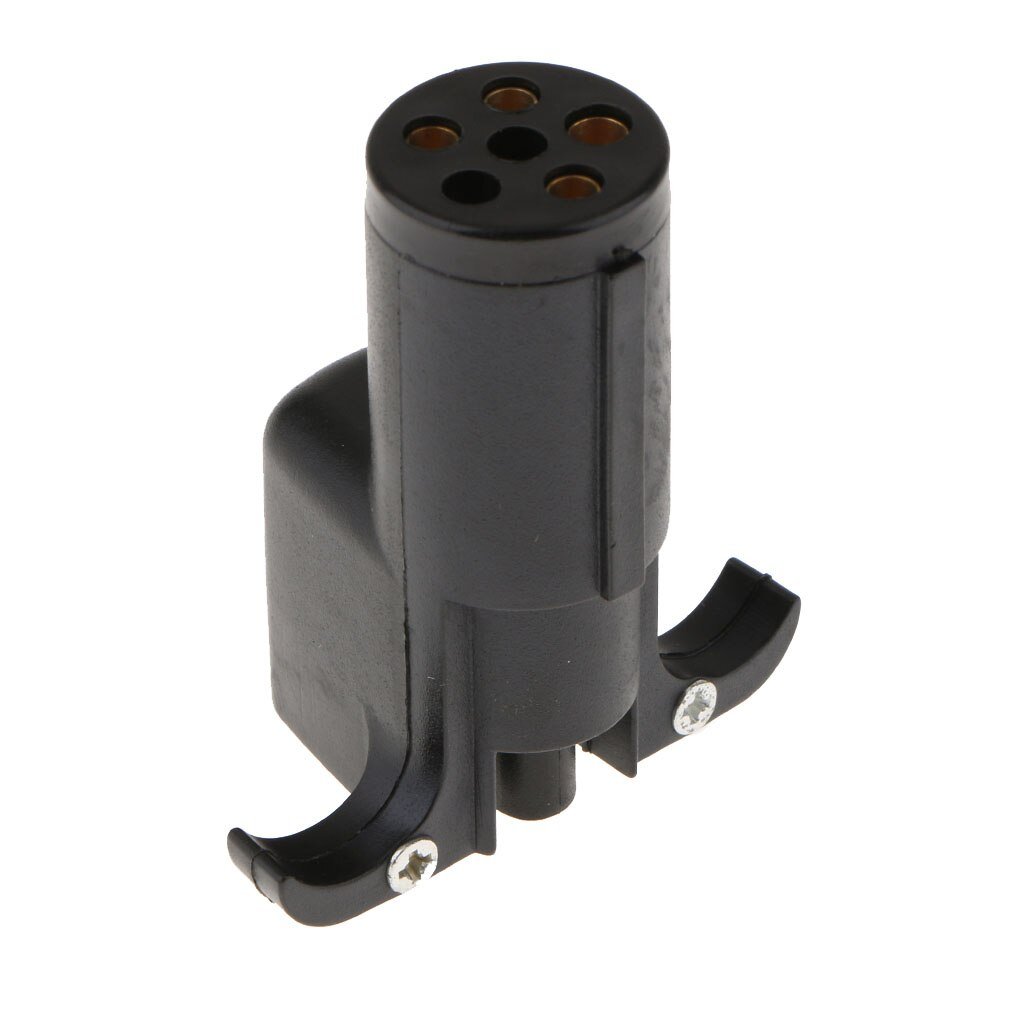
When you're serious about your trailer setup, often the existing wiring just doesn't cut it. Perhaps you've got a trusty old trailer with a 6-pin connector, but your new tow vehicle, or even your ambitions for better trailer performance, demands more. This is precisely where Adapting & Converting Trailer Wiring (6-Pin to Other Types), specifically to a 7-pin system, becomes not just a smart upgrade, but often a necessary one. It’s about more than just matching plugs; it’s about unlocking your trailer’s full potential for safety, power, and functionality.
At a Glance: Why Upgrade to 7-Pin?
- Boosted Safety: Dedicated brake wire and better ground improve stopping power and reliability.
- More Power, More Options: Accommodates heavier electrical loads for things like electric brakes, reverse lights, and refrigeration.
- Auxiliary Power: Adds a dedicated line for charging trailer batteries or running 12V accessories.
- Enhanced Durability: More robust connections mean less wear and tear, and fewer headaches down the road.
- Future-Proofing: Prepares your trailer for modern towing demands and versatile use with various tow vehicles.
Stepping Up Your Game: Why a 7-Pin Connector is the Smart Move
You’ve been managing with a 6-pin system, and for simple trailer setups without demanding electrical needs, it’s served you well. A standard 6-wire system typically handles the essentials: left turn, right turn, taillights, ground, and two wires for electric brakes. It's solid for smaller utility trailers or older models that don't need much juice beyond basic lighting and braking.
However, modern trailers and contemporary towing often require more. Think about those heavy-duty applications: larger travel trailers with internal lighting, refrigeration units, or even multiple electric brake axles. These demand a more robust electrical backbone than a 6-pin can provide. The moment you consider towing heavier loads or adding more sophisticated electrical components like dedicated LED light bars, a surge of electric brakes, or even an onboard battery charger, you're looking beyond the 6-pin’s capabilities.
Upgrading to a 7-pin trailer wiring system isn't just about adding an extra wire; it's about a significant leap in power distribution and safety. This system provides a dedicated auxiliary power line, a separate wire for reverse lights, and generally offers a more stable and efficient connection for all your trailer's electrical needs. It’s the difference between powering a flashlight and lighting up a small apartment.
The Clear Advantages of Making the Switch
Let's break down the tangible benefits you'll experience once you transition from a 6-pin to a 7-pin setup. These aren't just minor improvements; they directly impact your safety, convenience, and the overall longevity of your towing experience.
Enhanced Safety on the Road
Safety is paramount when towing. The 7-pin system significantly ups your game here.
- Dedicated Brake Wire: While a 6-pin has brake wires, the 7-pin often allows for a more robust connection for electric brakes, ensuring they engage reliably and efficiently, especially under heavy loads.
- Improved Grounding: A dedicated, often heavier-gauge ground wire means a more stable electrical circuit, reducing the chances of intermittent light failures or brake issues caused by poor grounding. This is crucial for consistent performance.
Unlocking Greater Efficiency and Power
More pins mean more pathways for power, and that translates directly into efficiency and capability.
- Increased Current Flow: The 7-pin configuration can handle a higher current load. This is vital for powering multiple LED lights, a powerful electric brake controller, or even a mini-fridge in a camping trailer without overloading the system.
- Quicker Battery Charging: If your trailer has its own battery (for internal lights, a power jack, or a breakaway system), the 7-pin's auxiliary power line allows your tow vehicle to charge that battery while you drive, ensuring it’s topped off when you arrive.
- More Efficient Brake Cooling: Consistent power delivery to your electric brakes can contribute to their efficient operation, which indirectly aids in heat management during prolonged braking.
Built for the Long Haul: Durability and Reliability
Towing is tough on equipment. A 7-pin connection is generally more durable than its 6-pin counterpart.
- More Contact Points: With more individual pins, the electrical connections are often more stable and less prone to intermittent issues caused by vibration or minor corrosion.
- Better Protection: These connectors are often designed with more robust housings and better weather sealing, shielding the crucial electrical connections from road grit, moisture, and general wear and tear.
Convenience: Towing Smarter, Not Harder
Beyond the technical benefits, there's a definite convenience factor.
- Versatility: Many modern tow vehicles are equipped with 7-pin connectors as standard. Upgrading your trailer means you can easily hook up to a wider range of vehicles without needing an adapter.
- Easier Connection: While this might seem counterintuitive with more pins, well-designed 7-pin connectors are often intuitive to align and connect, reducing fumbling in adverse weather or low light.
For those looking to truly understand the nuts and bolts of their current system before making the leap, diving deeper into Understanding 6-pin trailer wiring can provide valuable foundational knowledge.
What the 7-Pin Adds: Beyond the Basics
So, you know a 7-pin offers more, but what specifically does that extra pin—and the overall configuration—bring to the table?
- Reverse Lights/Backup Alarms: That dedicated wire allows for your trailer’s reverse lights to activate when you shift into reverse. This is not just a cosmetic feature; it’s a crucial safety aid, illuminating your path and signaling your intentions to others, especially in crowded campgrounds or tight maneuvering spaces. Some systems might also trigger a backup alarm.
- 12V Power for Auxiliary Devices: This is a game-changer for many. That black 10-gauge power line provides constant 12V power to your trailer directly from your tow vehicle's battery. Think about running a small refrigerator while en route, charging a trailer battery, powering an electric winch, or even keeping interior lights on without draining your trailer’s limited battery supply when parked.
- Increased Current Capacity: More pins generally mean the system is designed to handle a higher total amperage. This directly translates to the ability to power more devices simultaneously, or a single, more demanding device, without tripping fuses or causing voltage drops.
In essence, a 7-pin system transforms your trailer from a simple cargo hauler into a much more integrated and capable extension of your tow vehicle.
Gearing Up: Tools and Materials for Your Conversion
Before you dive in, gather your tools. Having everything at hand will make the process smoother and safer.
Essential Tools:
- Wire Cutters & Strippers: A good quality set is indispensable for clean cuts and precise wire stripping.
- Crimping Tool: If you opt for crimp connectors (highly recommended for most DIYers), a reliable crimping tool is a must for secure, gas-tight connections.
- Soldering Iron & Solder (Optional but Recommended): For the absolute strongest and most durable connections, soldering is superior. If you go this route, ensure good ventilation.
- Heat Gun (for Heat Shrink Tubing): For a professional and weather-resistant finish on your connections.
- Electrical Test Equipment:
- Voltage Tester/Multimeter: Crucial for identifying existing wires, verifying connections, and troubleshooting. A multimeter is more versatile for measuring voltage, resistance, and continuity.
- Test Light: A simple tool for checking for power at various points.
Materials You'll Need:
- 7-Pin Trailer Connector/Harness: This is the heart of your upgrade. Ensure it's a quality, weather-resistant connector designed for outdoor use. Many come with pre-attached pigtail wires.
- Crimp Connectors or Solder:
- Butt Connectors: For splicing wires together.
- Ring or Spade Terminals: If you need to attach wires to screw terminals.
- Heat Shrink Tubing (various sizes): For insulating and protecting your connections from moisture and corrosion.
- Electrical Tape: A secondary layer of protection, especially for non-heat-shrink connections.
- 10-Gauge Black Power Wire (if not part of new harness): You’ll need this specifically for the auxiliary 12V power line from your vehicle's battery to the 7-pin connector. Ensure it's rated for automotive use.
- Wire Loom or Conduit (Optional): For protecting the new wiring runs from abrasion and the elements.
- Zip Ties or Wire Clamps: For securing the new wiring neatly.
- Dielectric Grease: To apply inside the connector pins for added corrosion protection.
Having these items ready before you start will prevent frustrating stops and ensure a higher quality finish for your conversion.
The Conversion Blueprint: Step-by-Step Guide
Converting your trailer's wiring system from a 6-pin to a 7-pin setup might seem daunting, but by following a methodical approach, you can achieve a professional and reliable result.
Step 1: Safety First! Disconnect All Power
This is non-negotiable. Before touching any wires, completely disconnect your trailer from your tow vehicle. If your trailer has its own battery, disconnect its negative terminal. You're working with electricity, and even a 12V system can cause sparks, damage, or injury if not handled carefully.
Step 2: Removing the Old Connector
Carefully disconnect and remove the existing 6-wire connector from your trailer. You'll likely need to cut the wires close to the old connector, ensuring you leave enough slack on the trailer's harness for the new connections. Take a moment to inspect the existing wiring for any signs of damage, corrosion, or previous shoddy repairs. This is a good opportunity to clean up the entire system.
Step 3: Identify and Match Your Wires
This is the most critical step. Your existing 6-wire harness has specific functions tied to specific wire colors. You need to map these to their corresponding functions on the new 7-pin harness.
- Use a Diagram: Refer to a reliable trailer wiring diagram (often included with new connectors or easily found online). While there are standard color codes, always verify with a multimeter if unsure, especially with older or non-standard wiring.
- Test Existing Wires (Optional but Recommended): If you're unsure about your existing wire functions, you can temporarily connect your old 6-pin connector to your tow vehicle (ensure it's parked safely with brakes on and wheels chocked) and use your voltage tester to identify each wire's function (e.g., turn on left blinker, test for power on the left turn wire). Immediately disconnect power after testing.
Step 4: Connecting the Wires — One at a Time
Now comes the actual splicing. Work methodically, connecting one wire at a time to prevent confusion and errors.
- Strip Wires: Using your wire strippers, expose about 1/2 inch of bare wire on both the trailer's existing harness and the new 7-pin harness wires.
- Crimp or Solder:
- Crimping: Insert the stripped ends into a butt connector and use your crimping tool to create a secure connection. Give it a gentle tug to ensure it's firm.
- Soldering: Twist the stripped ends together, then apply heat and solder to create a solid electrical bond.
- Insulate and Protect:
- Heat Shrink: Slide a piece of heat shrink tubing over the connection before crimping or soldering. Once the connection is made, slide the tubing over the joint and apply heat with your heat gun until it shrinks tightly, sealing the connection.
- Electrical Tape: If not using heat shrink, wrap each connection tightly with high-quality electrical tape, overlapping layers to create a moisture barrier.
Specific Wiring Guide (6-wire to 7-pin conversion based on common standards): - White Wire (Ground): Connect the trailer's white ground wire to the white ground pin (Pin 1) on the 7-pin connector. This is essential for all circuits to function.
- Yellow Wire (Left Turn/Brake): Connect the trailer's yellow wire to the yellow left turn/brake pin (Pin 2) on the 7-pin connector.
- Green Wire (Right Turn/Brake): Connect the trailer's green wire to the green right turn/brake pin (Pin 4) on the 7-pin connector.
- Brown Wire (Tail Lights/Running Lights): Connect the trailer's brown wire to the brown tail light/running light pin (Pin 5) on the 7-pin connector.
- Red Wire (Stoplight Power/Electric Brakes): This is where it gets interesting. In a 6-pin system, two wires typically go to the brakes. One of these will connect to the blue electric brake output pin (Pin 7) on the 7-pin connector. The 6-pin "stoplight power" (often red) might be merged with the turn signals in some 6-pin systems, or it could be a dedicated brake signal.
- Crucial Note on 6-Pin Brake Wires: If your 6-pin has two dedicated wires just for brakes, one (often blue or black) typically becomes the blue electric brake output (Pin 7) on the 7-pin. The other 6-pin brake wire might need to be repurposed or capped off if its function is now handled by the turn/brake wires (yellow/green) in the 7-pin system. Always consult your specific trailer's wiring diagram if in doubt.
- New Wires for 7-Pin Specific Functions:
- Black Wire (12V Auxiliary Power): Run a new 10-gauge black power line from your tow vehicle's battery positive terminal (via a circuit breaker or fuse for protection) directly to the black 12V auxiliary power pin (Pin 3) on the 7-pin connector. This is a dedicated power source and likely wasn't present in your 6-pin setup.
- Purple/Orange Wire (Reverse Lights/Backup): If your trailer has reverse lights, connect its wire (often purple or orange) to the purple/orange reverse light pin (Pin 6) on the 7-pin connector. If your trailer doesn't have reverse lights, cap off this wire securely.
Step 5: Run Electrical Tests
Before buttoning everything up, thoroughly test each connection.
- Use a Multimeter/Voltage Tester: With the new 7-pin connector temporarily attached to your tow vehicle (engine off for initial tests), use your multimeter to check for voltage at each pin within the connector as you activate the corresponding function (left turn, right turn, brakes, running lights).
- Visual Confirmation: Get a helper to stand behind the trailer and confirm that each light (turn signals, brake lights, running lights) activates correctly and brightly.
- Brake Test: If you have electric brakes, engage the manual override on your brake controller or have your helper press the brake pedal while you listen for the brake engagement at the wheels (a faint hum or click).
Step 6: Secure the New Connector
Once you've confirmed everything works, attach the new 7-pin harness connector securely to its mounting bracket or attachment point on the trailer tongue. Ensure it's in a location where it won't be easily damaged by road debris or snagged. Use zip ties or clamps to neatly route and secure the wiring harness, preventing it from dangling or chafing.
Step 7: Reconnect Power Sources
With all connections tested and secured, you can now safely reconnect your trailer battery (if applicable) and confidently hitch your trailer to your tow vehicle.
Common Pitfalls and How to Steer Clear
Even with a detailed guide, conversions can present challenges. Knowing what to watch out for can save you time, frustration, and potential safety hazards.
1. Incorrectly Splicing Wires
This is perhaps the most common mistake and can lead to a cascade of problems, from non-functioning lights to blown fuses, or even a short circuit that could damage your tow vehicle's electrical system.
- How to Avoid:
- Double-Check Diagrams: Always refer to a reliable wiring diagram specific to your 7-pin connector. The color codes are generally standardized, but manufacturers can vary.
- One Wire at a Time: Never cut and connect multiple wires simultaneously. Work on one function (e.g., left turn) from identification to insulation, before moving to the next.
- Test As You Go (Carefully): While a full test comes later, a quick continuity test on a single connection before insulating can confirm you've got the right wires.
2. Incorrectly Connecting Pins
Connecting a wire to the wrong pin can lead to bizarre behavior (e.g., turn signal activating brake lights) or a complete lack of function.
- How to Avoid:
- Pin Numbering: Most 7-pin connectors have small numbers or labels next to each pin. Match your identified wire function to the correct pin number on the diagram and connector.
- Visual Confirmation: After making a connection, re-read your diagram and visually confirm the wire's color and function match the pin's intended purpose.
3. Improper Testing (Or No Testing at All)
Skipping the testing phase is like building a bridge and not checking if it can hold weight. Faulty connections can go unnoticed until you're on the road, creating dangerous situations.
- How to Avoid:
- Thorough Multimeter Use: Don't just rely on visual checks. Use your multimeter to confirm voltage, continuity, and proper function for every circuit.
- Test All Functions: Check running lights, left turn, right turn, brake lights, reverse lights (if applicable), and ensure the auxiliary 12V power is present.
- Helper is Key: Have someone operate the controls in the tow vehicle while you observe the trailer lights and confirm proper operation.
4. Poor Quality Connections & Insulation
Exposed wires or loose connections are an open invitation for corrosion, shorts, and intermittent problems, especially in wet or dusty environments.
- How to Avoid:
- Quality Materials: Use high-quality crimp connectors (preferably heat-shrinkable ones), good solder, and marine-grade heat shrink tubing.
- Proper Crimping: Ensure your crimping tool applies even, firm pressure. A weak crimp is as bad as no connection.
- Seal Everything: Every connection point should be completely sealed against moisture and dirt. Dielectric grease inside connectors can add an extra layer of protection.
By paying meticulous attention to detail and following these preventative measures, you’ll build a reliable and safe wiring system that will serve you well for years to come.
Beyond the Initial Hook-Up: Testing Your New 7-Pin System
You've made all the connections, secured the new harness, and triple-checked your wiring diagram. Now comes the moment of truth: testing. This isn't just a formality; it's a crucial final safety check.
What to Look For: A Systematic Approach
- Running Lights: Connect your trailer to your tow vehicle. Turn on your tow vehicle's headlights. All your trailer's running lights (side markers, taillights) should illuminate consistently and brightly. Wiggle the connector slightly to check for intermittent issues.
- Left Turn Signal: Activate your tow vehicle's left turn signal. The left turn signal on your trailer should flash in sync.
- Right Turn Signal: Repeat for the right turn signal.
- Brake Lights: Have a helper press the brake pedal in your tow vehicle. Both taillights on your trailer should illuminate as brake lights. Release and re-press several times.
- Electric Brakes: If you have an electric brake controller, try applying the manual override. You should hear a faint hum or click from the trailer's brake assemblies, indicating they're engaging. Better yet, attempt a very slow, controlled stop to feel the trailer brakes assisting.
- Reverse Lights (if applicable): Put your tow vehicle in reverse (with the engine running if necessary to provide power to the trailer). Your trailer's reverse lights should come on.
- 12V Auxiliary Power: With the tow vehicle connected and, ideally, running (some vehicles only provide 12V auxiliary power when the engine is on), use your multimeter to test for 12V at the corresponding pin within the 7-pin connector on the trailer side, or check if an onboard trailer battery is receiving a charge.
When Things Don't Work: A Quick Troubleshooting Guide
- No Lights at All:
- Check Ground: The white ground wire is paramount. Ensure it has a solid, corrosion-free connection to both the trailer chassis and the 7-pin connector.
- Tow Vehicle Fuse: Check the relevant fuses in your tow vehicle for trailer lighting.
- Connector Seating: Is the 7-pin connector fully seated into the tow vehicle's receptacle?
- Specific Light Not Working:
- Bulb/LED Check: Is the bulb blown or LED unit faulty?
- Wire Check: Trace the specific wire for that light from the 7-pin connector all the way to the light fixture. Look for cuts, loose connections, or corrosion.
- Voltage Test: Use your multimeter to see if power is reaching that wire at the 7-pin connector and at the light fixture itself.
- Brakes Not Engaging:
- Brake Controller: Is your tow vehicle's brake controller properly installed and adjusted?
- Blue Wire: Check the blue electric brake wire for continuity and power from the 7-pin connector to the trailer's brake assemblies.
- Trailer Brake Magnet/Wiring: Inspect the wiring at the brake assemblies themselves.
- No 12V Auxiliary Power:
- Tow Vehicle Fuse/Breaker: This circuit often has its own dedicated fuse or circuit breaker near the tow vehicle's battery.
- Engine On: As mentioned, some vehicles require the engine to be running to activate this circuit.
- Black Wire: Ensure the 10-gauge black wire runs directly from the battery (with proper fusing) to the 7-pin connector.
Don't rush this stage. A few extra minutes of careful testing now can prevent hours of roadside frustration later.
Keeping Your Connection Pristine: Ongoing Maintenance
Your newly converted 7-pin system is a significant upgrade, and a little ongoing care will ensure it performs flawlessly for years.
- Clean Connections: Regularly inspect both your trailer's 7-pin connector and your tow vehicle's receptacle. Use electrical contact cleaner and a small brush to remove dirt, grease, and corrosion.
- Apply Dielectric Grease: After cleaning, apply a thin layer of dielectric grease to the pins inside both the trailer connector and the tow vehicle receptacle. This provides an excellent barrier against moisture and corrosion without impeding electrical flow.
- Inspect Wiring: Periodically check the visible wiring harness for any signs of chafing, cracks in the insulation, or loose mounting points. Repair or secure as needed with electrical tape, heat shrink, or new zip ties.
- Check for Play: Ensure the connector housing is securely mounted and that there's no excessive play where the wires enter the connector.
- Storage: When not in use, consider using a dust cap for your trailer's 7-pin connector to protect it from the elements.
Taking the Road with Confidence
Converting your trailer wiring from a 6-pin to a 7-pin system is a powerful upgrade that enhances safety, expands functionality, and future-proofs your setup. It's a project that, while requiring attention to detail, is well within the capabilities of a diligent DIYer. By following these steps, understanding the functions of each wire, and prioritizing thorough testing, you'll gain the confidence to hit the road knowing your trailer's electrical system is robust, reliable, and ready for whatever your adventures throw your way.